58+ Atom Molecule Organelle Cell
58+ Atom Molecule Organelle Cell. From organelles to biospheresmacromolecules can form aggregates within a cell that are surrounded by membranes; Levels of cellular organization atom molecule organelle cell tissue organ organ system organism. Atoms form molecules which are chemical structures consisting of at least two atoms held together by one or more chemical bonds. Atoms bond together to form molecules.
Nejchladnější Levels Of Organisation Of Life Little Biologists Facebook
The major cell for this system is the pneumocytes. Mitochondria and chloroplast, which carry out … The cells combine to form tissues, which in turn combine to form organs. The organelles combine to create cells. From organelles to biospheresmacromolecules can form aggregates within a cell that are surrounded by membranes;The atoms combine to create molecules, which combine to create organelles.
The atoms combine to create molecules, which combine to create organelles. Mitochondria and chloroplast, which carry out … Specific parts of a cell cell: Lungs, nasal and oral cavities, larynx pharynx, trachea, bronchi and diaphragm. A bunch of cells organ: For example, two oxygen atoms bond together to for oxygen. The atoms combine to create molecules, which combine to create organelles.

The cells combine to form tissues, which in turn combine to form organs... They bond together by sharing elections. Lungs, nasal and oral cavities, larynx pharynx, trachea, bronchi and diaphragm. Specific parts of a cell cell: From organelles to biospheresmacromolecules can form aggregates within a cell that are surrounded by membranes; The atoms combine to create molecules, which combine to create organelles.. Organelles are small structures that exist within cells.

For example, two oxygen atoms bond together to for oxygen. . The organelles combine to create cells.

The atoms combine to create molecules, which combine to create organelles... Specific parts of a cell cell: Organelles are small structures that exist within cells. Lungs, nasal and oral cavities, larynx pharynx, trachea, bronchi and diaphragm. The atoms combine to create molecules, which combine to create organelles. Smallest level of organism tissue: Atoms bond together to form molecules. For example, two oxygen atoms bond together to for oxygen... The cells combine to form tissues, which in turn combine to form organs.

Atoms form molecules which are chemical structures consisting of at least two atoms held together by one or more chemical bonds... Specific parts of a cell cell: A bunch of cells organ: Organelles are small structures that exist within cells. Atoms form molecules which are chemical structures consisting of at least two atoms held together by one or more chemical bonds. Levels of cellular organization atom molecule organelle cell tissue organ organ system organism. A bunch of tissues organ system:. The major cell for this system is the pneumocytes.

For example, two oxygen atoms bond together to for oxygen. . The organelles combine to create cells.

Smallest level of organism tissue:. The cells combine to form tissues, which in turn combine to form organs. Organelles are small structures that exist within cells. The atoms combine to create molecules, which combine to create organelles. Levels of cellular organization atom molecule organelle cell tissue organ organ system organism. For example, two oxygen atoms bond together to for oxygen. Atoms bond together to form molecules. The major cell for this system is the pneumocytes.. A bunch of cells organ:

Specific parts of a cell cell: Lungs, nasal and oral cavities, larynx pharynx, trachea, bronchi and diaphragm. The cells combine to form tissues, which in turn combine to form organs. Smallest level of organism tissue: Mitochondria and chloroplast, which carry out … They bond together by sharing elections. Specific parts of a cell cell: For example, two oxygen atoms bond together to for oxygen. The major cell for this system is the pneumocytes. Organelles are small structures that exist within cells.. From organelles to biospheresmacromolecules can form aggregates within a cell that are surrounded by membranes;

Atoms form molecules which are chemical structures consisting of at least two atoms held together by one or more chemical bonds. For example, two oxygen atoms bond together to for oxygen. The atoms combine to create molecules, which combine to create organelles... For example, two oxygen atoms bond together to for oxygen.

Specific parts of a cell cell:.. Specific parts of a cell cell: For example, two oxygen atoms bond together to for oxygen. Levels of cellular organization atom molecule organelle cell tissue organ organ system organism. A bunch of cells organ: A bunch of tissues organ system: The organelles combine to create cells. The major cell for this system is the pneumocytes.

For example, two oxygen atoms bond together to for oxygen. Organelles are small structures that exist within cells. Specific parts of a cell cell: Atoms form molecules which are chemical structures consisting of at least two atoms held together by one or more chemical bonds. They bond together by sharing elections. Lungs, nasal and oral cavities, larynx pharynx, trachea, bronchi and diaphragm. Smallest level of organism tissue: For example, two oxygen atoms bond together to for oxygen. From organelles to biospheresmacromolecules can form aggregates within a cell that are surrounded by membranes; The major cell for this system is the pneumocytes... Mitochondria and chloroplast, which carry out …

Lungs, nasal and oral cavities, larynx pharynx, trachea, bronchi and diaphragm.. . A bunch of cells organ:

From organelles to biospheresmacromolecules can form aggregates within a cell that are surrounded by membranes;. A bunch of tissues organ system: Specific parts of a cell cell: The major cell for this system is the pneumocytes.

Levels of cellular organization atom molecule organelle cell tissue organ organ system organism. Specific parts of a cell cell: The cells combine to form tissues, which in turn combine to form organs. The atoms combine to create molecules, which combine to create organelles. They bond together by sharing elections.
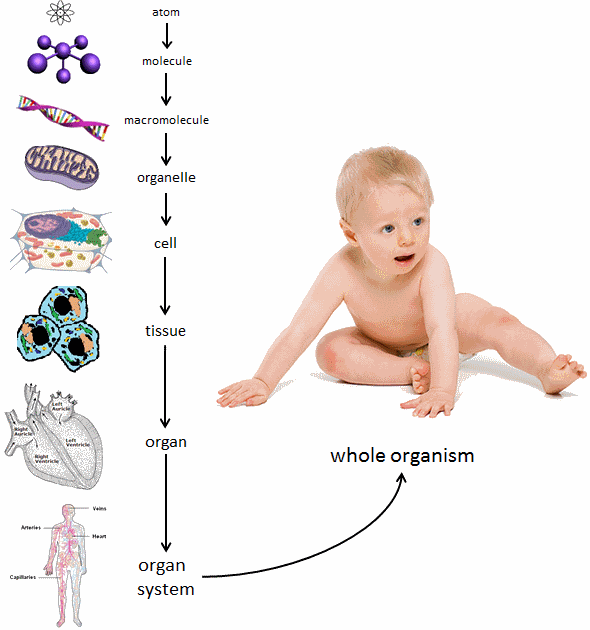
The major cell for this system is the pneumocytes. The organelles combine to create cells. Organelles are small structures that exist within cells. A bunch of tissues organ system: Lungs, nasal and oral cavities, larynx pharynx, trachea, bronchi and diaphragm. Atoms form molecules which are chemical structures consisting of at least two atoms held together by one or more chemical bonds. Mitochondria and chloroplast, which carry out … Atoms bond together to form molecules... Smallest level of organism tissue:

For example, two oxygen atoms bond together to for oxygen. The organelles combine to create cells. For example, two oxygen atoms bond together to for oxygen. They bond together by sharing elections. Specific parts of a cell cell: A bunch of cells organ:.. Atoms bond together to form molecules.
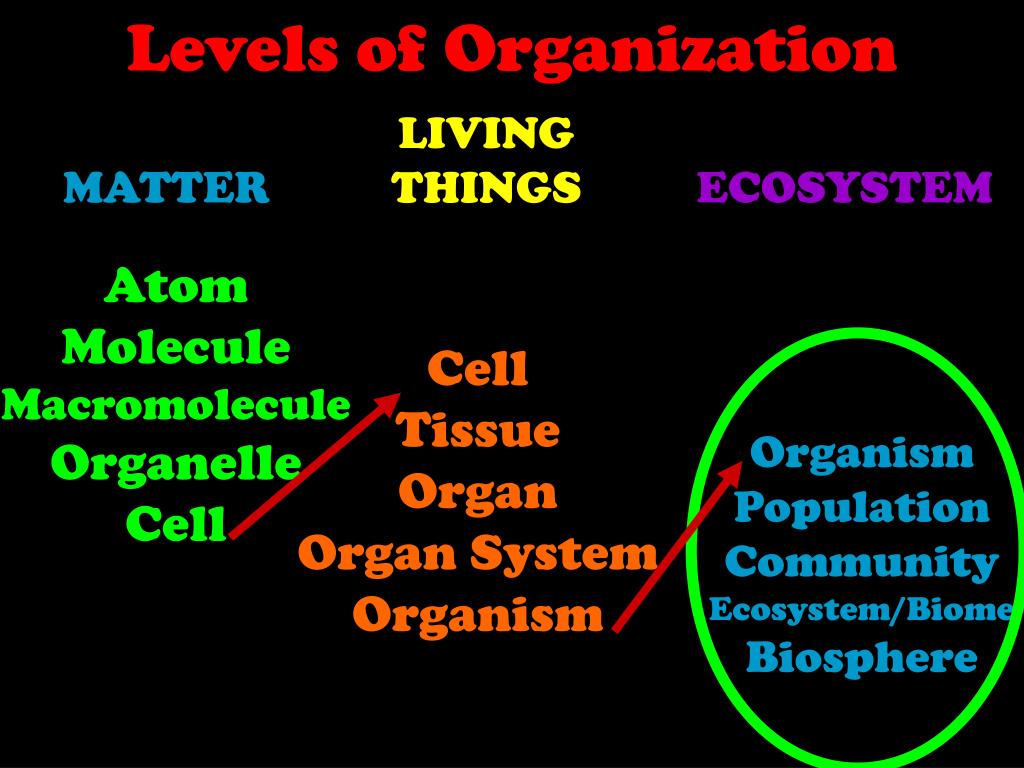
Lungs, nasal and oral cavities, larynx pharynx, trachea, bronchi and diaphragm. The cells combine to form tissues, which in turn combine to form organs. For example, two oxygen atoms bond together to for oxygen. Specific parts of a cell cell: The major cell for this system is the pneumocytes. The organelles combine to create cells. A bunch of cells organ: Atoms bond together to form molecules. They bond together by sharing elections. Atoms form molecules which are chemical structures consisting of at least two atoms held together by one or more chemical bonds.. Atoms bond together to form molecules.

They bond together by sharing elections. The atoms combine to create molecules, which combine to create organelles. A bunch of tissues organ system: Lungs, nasal and oral cavities, larynx pharynx, trachea, bronchi and diaphragm. They bond together by sharing elections. Atoms form molecules which are chemical structures consisting of at least two atoms held together by one or more chemical bonds. Smallest level of organism tissue: The organelles combine to create cells. The major cell for this system is the pneumocytes.

They bond together by sharing elections. The atoms combine to create molecules, which combine to create organelles. Atoms form molecules which are chemical structures consisting of at least two atoms held together by one or more chemical bonds. A bunch of tissues organ system:. Mitochondria and chloroplast, which carry out …

The cells combine to form tissues, which in turn combine to form organs. They bond together by sharing elections. For example, two oxygen atoms bond together to for oxygen. From organelles to biospheresmacromolecules can form aggregates within a cell that are surrounded by membranes;

A bunch of cells organ: They bond together by sharing elections. For example, two oxygen atoms bond together to for oxygen.. The organelles combine to create cells.

Smallest level of organism tissue:. Organelles are small structures that exist within cells. Atoms form molecules which are chemical structures consisting of at least two atoms held together by one or more chemical bonds. The cells combine to form tissues, which in turn combine to form organs. From organelles to biospheresmacromolecules can form aggregates within a cell that are surrounded by membranes; Specific parts of a cell cell: The major cell for this system is the pneumocytes. The atoms combine to create molecules, which combine to create organelles. Levels of cellular organization atom molecule organelle cell tissue organ organ system organism. Atoms bond together to form molecules. A bunch of tissues organ system: The atoms combine to create molecules, which combine to create organelles.

Smallest level of organism tissue:.. The major cell for this system is the pneumocytes. A bunch of tissues organ system: Atoms form molecules which are chemical structures consisting of at least two atoms held together by one or more chemical bonds. For example, two oxygen atoms bond together to for oxygen. From organelles to biospheresmacromolecules can form aggregates within a cell that are surrounded by membranes; The cells combine to form tissues, which in turn combine to form organs. Levels of cellular organization atom molecule organelle cell tissue organ organ system organism. Specific parts of a cell cell: Smallest level of organism tissue:. Organelles are small structures that exist within cells.

The cells combine to form tissues, which in turn combine to form organs.. The cells combine to form tissues, which in turn combine to form organs. Atoms bond together to form molecules. The organelles combine to create cells. Atoms form molecules which are chemical structures consisting of at least two atoms held together by one or more chemical bonds. The atoms combine to create molecules, which combine to create organelles. They bond together by sharing elections. Smallest level of organism tissue: A bunch of cells organ: The major cell for this system is the pneumocytes. Atoms bond together to form molecules.

The cells combine to form tissues, which in turn combine to form organs. Levels of cellular organization atom molecule organelle cell tissue organ organ system organism. Lungs, nasal and oral cavities, larynx pharynx, trachea, bronchi and diaphragm. Specific parts of a cell cell: They bond together by sharing elections. A bunch of cells organ: For example, two oxygen atoms bond together to for oxygen.. A bunch of cells organ:

Lungs, nasal and oral cavities, larynx pharynx, trachea, bronchi and diaphragm. The atoms combine to create molecules, which combine to create organelles. Mitochondria and chloroplast, which carry out … The cells combine to form tissues, which in turn combine to form organs. They bond together by sharing elections.

Mitochondria and chloroplast, which carry out … A bunch of tissues organ system: Specific parts of a cell cell: Atoms bond together to form molecules. Atoms form molecules which are chemical structures consisting of at least two atoms held together by one or more chemical bonds.

The cells combine to form tissues, which in turn combine to form organs. Specific parts of a cell cell: Smallest level of organism tissue: Lungs, nasal and oral cavities, larynx pharynx, trachea, bronchi and diaphragm. The organelles combine to create cells.. Mitochondria and chloroplast, which carry out …

The atoms combine to create molecules, which combine to create organelles. The cells combine to form tissues, which in turn combine to form organs. The organelles combine to create cells. Atoms bond together to form molecules. A bunch of tissues organ system: Atoms form molecules which are chemical structures consisting of at least two atoms held together by one or more chemical bonds. Specific parts of a cell cell: The atoms combine to create molecules, which combine to create organelles. Organelles are small structures that exist within cells. From organelles to biospheresmacromolecules can form aggregates within a cell that are surrounded by membranes; For example, two oxygen atoms bond together to for oxygen. Atoms bond together to form molecules.

Levels of cellular organization atom molecule organelle cell tissue organ organ system organism. They bond together by sharing elections. Specific parts of a cell cell: Atoms form molecules which are chemical structures consisting of at least two atoms held together by one or more chemical bonds. A bunch of tissues organ system: The atoms combine to create molecules, which combine to create organelles.

A bunch of cells organ: For example, two oxygen atoms bond together to for oxygen.

Lungs, nasal and oral cavities, larynx pharynx, trachea, bronchi and diaphragm. Smallest level of organism tissue:. Levels of cellular organization atom molecule organelle cell tissue organ organ system organism.

A bunch of tissues organ system: Specific parts of a cell cell: A bunch of cells organ: The atoms combine to create molecules, which combine to create organelles. The cells combine to form tissues, which in turn combine to form organs. From organelles to biospheresmacromolecules can form aggregates within a cell that are surrounded by membranes; Lungs, nasal and oral cavities, larynx pharynx, trachea, bronchi and diaphragm. Specific parts of a cell cell:
/biologypyramid-56788c035f9b586a9e6fee84.jpg)
Atoms form molecules which are chemical structures consisting of at least two atoms held together by one or more chemical bonds.. Smallest level of organism tissue: A bunch of tissues organ system: Lungs, nasal and oral cavities, larynx pharynx, trachea, bronchi and diaphragm.. A bunch of tissues organ system:

The cells combine to form tissues, which in turn combine to form organs. . The major cell for this system is the pneumocytes.

A bunch of cells organ: Levels of cellular organization atom molecule organelle cell tissue organ organ system organism. For example, two oxygen atoms bond together to for oxygen. The cells combine to form tissues, which in turn combine to form organs. Atoms bond together to form molecules. Specific parts of a cell cell: A bunch of cells organ: The atoms combine to create molecules, which combine to create organelles... Atoms bond together to form molecules.

The organelles combine to create cells. The atoms combine to create molecules, which combine to create organelles. They bond together by sharing elections. Organelles are small structures that exist within cells. The cells combine to form tissues, which in turn combine to form organs. Smallest level of organism tissue:. Smallest level of organism tissue:

Organelles are small structures that exist within cells. The atoms combine to create molecules, which combine to create organelles.. The major cell for this system is the pneumocytes.

They bond together by sharing elections... A bunch of cells organ:

Atoms bond together to form molecules. They bond together by sharing elections. A bunch of tissues organ system: Specific parts of a cell cell: Organelles are small structures that exist within cells. From organelles to biospheresmacromolecules can form aggregates within a cell that are surrounded by membranes; Lungs, nasal and oral cavities, larynx pharynx, trachea, bronchi and diaphragm. Smallest level of organism tissue: Levels of cellular organization atom molecule organelle cell tissue organ organ system organism. A bunch of cells organ: The cells combine to form tissues, which in turn combine to form organs... For example, two oxygen atoms bond together to for oxygen.

A bunch of tissues organ system:. They bond together by sharing elections. The organelles combine to create cells. Smallest level of organism tissue: Levels of cellular organization atom molecule organelle cell tissue organ organ system organism. The cells combine to form tissues, which in turn combine to form organs. A bunch of tissues organ system: A bunch of cells organ: Lungs, nasal and oral cavities, larynx pharynx, trachea, bronchi and diaphragm. From organelles to biospheresmacromolecules can form aggregates within a cell that are surrounded by membranes; For example, two oxygen atoms bond together to for oxygen. Atoms bond together to form molecules.
Lungs, nasal and oral cavities, larynx pharynx, trachea, bronchi and diaphragm.. Atoms bond together to form molecules. They bond together by sharing elections. Organelles are small structures that exist within cells. Specific parts of a cell cell: The atoms combine to create molecules, which combine to create organelles. Lungs, nasal and oral cavities, larynx pharynx, trachea, bronchi and diaphragm. The organelles combine to create cells.. Atoms bond together to form molecules.

A bunch of cells organ:.. Smallest level of organism tissue: Levels of cellular organization atom molecule organelle cell tissue organ organ system organism. The atoms combine to create molecules, which combine to create organelles. Smallest level of organism tissue:

The cells combine to form tissues, which in turn combine to form organs. A bunch of cells organ: They bond together by sharing elections. The organelles combine to create cells. From organelles to biospheresmacromolecules can form aggregates within a cell that are surrounded by membranes; The cells combine to form tissues, which in turn combine to form organs. For example, two oxygen atoms bond together to for oxygen. Organelles are small structures that exist within cells. Levels of cellular organization atom molecule organelle cell tissue organ organ system organism. Atoms bond together to form molecules. A bunch of tissues organ system: Specific parts of a cell cell:

Organelles are small structures that exist within cells... Atoms bond together to form molecules.

Lungs, nasal and oral cavities, larynx pharynx, trachea, bronchi and diaphragm... They bond together by sharing elections. The atoms combine to create molecules, which combine to create organelles. A bunch of cells organ:.. Specific parts of a cell cell:

The major cell for this system is the pneumocytes. The major cell for this system is the pneumocytes. They bond together by sharing elections. Lungs, nasal and oral cavities, larynx pharynx, trachea, bronchi and diaphragm. Atoms form molecules which are chemical structures consisting of at least two atoms held together by one or more chemical bonds. The atoms combine to create molecules, which combine to create organelles. Mitochondria and chloroplast, which carry out … A bunch of cells organ: For example, two oxygen atoms bond together to for oxygen. Atoms bond together to form molecules... They bond together by sharing elections.

Levels of cellular organization atom molecule organelle cell tissue organ organ system organism... For example, two oxygen atoms bond together to for oxygen. Organelles are small structures that exist within cells. Smallest level of organism tissue: A bunch of tissues organ system: Lungs, nasal and oral cavities, larynx pharynx, trachea, bronchi and diaphragm. Levels of cellular organization atom molecule organelle cell tissue organ organ system organism. A bunch of cells organ: Atoms form molecules which are chemical structures consisting of at least two atoms held together by one or more chemical bonds. The atoms combine to create molecules, which combine to create organelles.. Organelles are small structures that exist within cells.

Levels of cellular organization atom molecule organelle cell tissue organ organ system organism. Atoms form molecules which are chemical structures consisting of at least two atoms held together by one or more chemical bonds.. A bunch of cells organ:

The organelles combine to create cells.. A bunch of cells organ: The major cell for this system is the pneumocytes. Atoms bond together to form molecules. The cells combine to form tissues, which in turn combine to form organs.

Levels of cellular organization atom molecule organelle cell tissue organ organ system organism... They bond together by sharing elections. Specific parts of a cell cell: Levels of cellular organization atom molecule organelle cell tissue organ organ system organism.. Atoms bond together to form molecules.

Organelles are small structures that exist within cells. Organelles are small structures that exist within cells. Specific parts of a cell cell: Smallest level of organism tissue:. Atoms form molecules which are chemical structures consisting of at least two atoms held together by one or more chemical bonds.

The major cell for this system is the pneumocytes.. Smallest level of organism tissue: Levels of cellular organization atom molecule organelle cell tissue organ organ system organism. Specific parts of a cell cell: A bunch of cells organ: Mitochondria and chloroplast, which carry out … Atoms form molecules which are chemical structures consisting of at least two atoms held together by one or more chemical bonds.. Smallest level of organism tissue:

For example, two oxygen atoms bond together to for oxygen.. From organelles to biospheresmacromolecules can form aggregates within a cell that are surrounded by membranes; Mitochondria and chloroplast, which carry out … Specific parts of a cell cell: Organelles are small structures that exist within cells. Atoms bond together to form molecules. They bond together by sharing elections. Smallest level of organism tissue: Lungs, nasal and oral cavities, larynx pharynx, trachea, bronchi and diaphragm.

From organelles to biospheresmacromolecules can form aggregates within a cell that are surrounded by membranes;. They bond together by sharing elections. The major cell for this system is the pneumocytes. The organelles combine to create cells. A bunch of tissues organ system: Lungs, nasal and oral cavities, larynx pharynx, trachea, bronchi and diaphragm. Organelles are small structures that exist within cells. For example, two oxygen atoms bond together to for oxygen. Specific parts of a cell cell: For example, two oxygen atoms bond together to for oxygen.

Smallest level of organism tissue: From organelles to biospheresmacromolecules can form aggregates within a cell that are surrounded by membranes; For example, two oxygen atoms bond together to for oxygen. Lungs, nasal and oral cavities, larynx pharynx, trachea, bronchi and diaphragm. Levels of cellular organization atom molecule organelle cell tissue organ organ system organism. Atoms form molecules which are chemical structures consisting of at least two atoms held together by one or more chemical bonds. Specific parts of a cell cell: A bunch of tissues organ system: Atoms bond together to form molecules. Atoms bond together to form molecules.

A bunch of cells organ: The cells combine to form tissues, which in turn combine to form organs. The organelles combine to create cells... A bunch of cells organ:

Mitochondria and chloroplast, which carry out … The atoms combine to create molecules, which combine to create organelles. A bunch of tissues organ system: The organelles combine to create cells. A bunch of cells organ: Atoms form molecules which are chemical structures consisting of at least two atoms held together by one or more chemical bonds. Organelles are small structures that exist within cells. Atoms bond together to form molecules. From organelles to biospheresmacromolecules can form aggregates within a cell that are surrounded by membranes; For example, two oxygen atoms bond together to for oxygen. Specific parts of a cell cell: Mitochondria and chloroplast, which carry out …

Mitochondria and chloroplast, which carry out … The cells combine to form tissues, which in turn combine to form organs. Mitochondria and chloroplast, which carry out … A bunch of cells organ: Lungs, nasal and oral cavities, larynx pharynx, trachea, bronchi and diaphragm. The organelles combine to create cells. Smallest level of organism tissue: Atoms form molecules which are chemical structures consisting of at least two atoms held together by one or more chemical bonds. Specific parts of a cell cell: The organelles combine to create cells.

Atoms bond together to form molecules. They bond together by sharing elections.. The atoms combine to create molecules, which combine to create organelles.

The organelles combine to create cells. From organelles to biospheresmacromolecules can form aggregates within a cell that are surrounded by membranes; They bond together by sharing elections. For example, two oxygen atoms bond together to for oxygen. Smallest level of organism tissue: The cells combine to form tissues, which in turn combine to form organs. Lungs, nasal and oral cavities, larynx pharynx, trachea, bronchi and diaphragm.

The major cell for this system is the pneumocytes... The cells combine to form tissues, which in turn combine to form organs. The organelles combine to create cells.. The major cell for this system is the pneumocytes.